
Terrestrial Biomes
Terrestrial biomes are the major land-based ecosystems that cover Earth's continents, each shaped by a distinct combination of temperature, rainfall, and soil. From the year-round humidity of a tropical rainforest to the frozen ground of the tundra, these nine articles cover the nine terrestrial biomes featured in our Biome and Ecosystem Comparator: tropical rainforest, savanna, hot desert, temperate forest, taiga, tundra, temperate grassland, Mediterranean shrubland, and alpine environments.
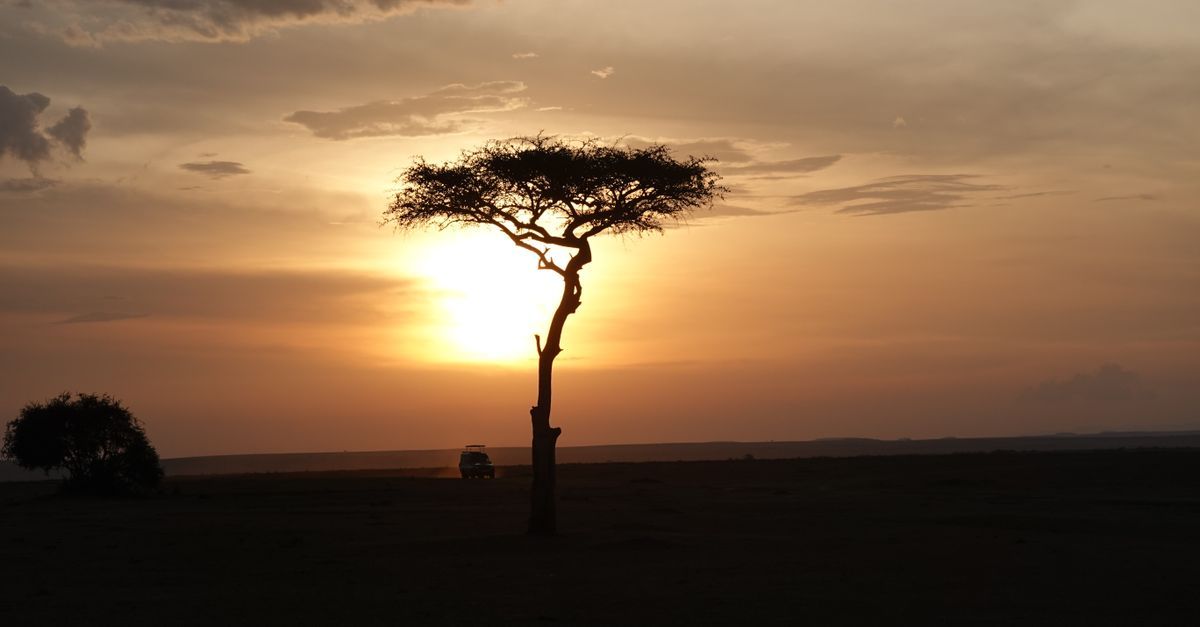
What separates one terrestrial biome from another is mostly climate. Average temperature and the amount and timing of precipitation determine which plants can grow, which in turn determines which animals can live there and how they have adapted — thick fur in the tundra, water storage in desert succulents, fire-resistant bark in Mediterranean shrubland. Elevation adds another layer: alpine ecosystems exist at high altitude across many different latitudes, creating cold, thin-aired conditions similar to a much higher- latitude biome. Use the Comparator to see these differences side by side, with every figure sourced from institutions like NASA Earth Observatory, USGS, NOAA, and the IUCN Red List.
Articles in this category
Tropical Rainforest Ecosystems Explained
Structure, layers, and biodiversity.
Savanna Ecosystems
Climate, grasses, and wildlife.
Hot Desert Ecosystems
How life survives extreme heat and drought.
Temperate Forest Ecosystems
Seasonal change and forest layers.
Taiga (Boreal Forest)
The world's largest land biome.
Tundra Ecosystems
Permafrost, plants, and survival.
Temperate Grasslands and Prairies
What defines these open ecosystems.
Mediterranean Shrubland
Fire, drought, and biodiversity.
Alpine Ecosystems
Life above the tree line.