
Food Webs and Adaptations
Every ecosystem runs on the same basic rules: energy flows from producers to consumers to decomposers, and species survive by adapting to their specific conditions. These nine articles explain those rules, and the adaptations — from camouflage to migration — that let life persist in extreme environments.
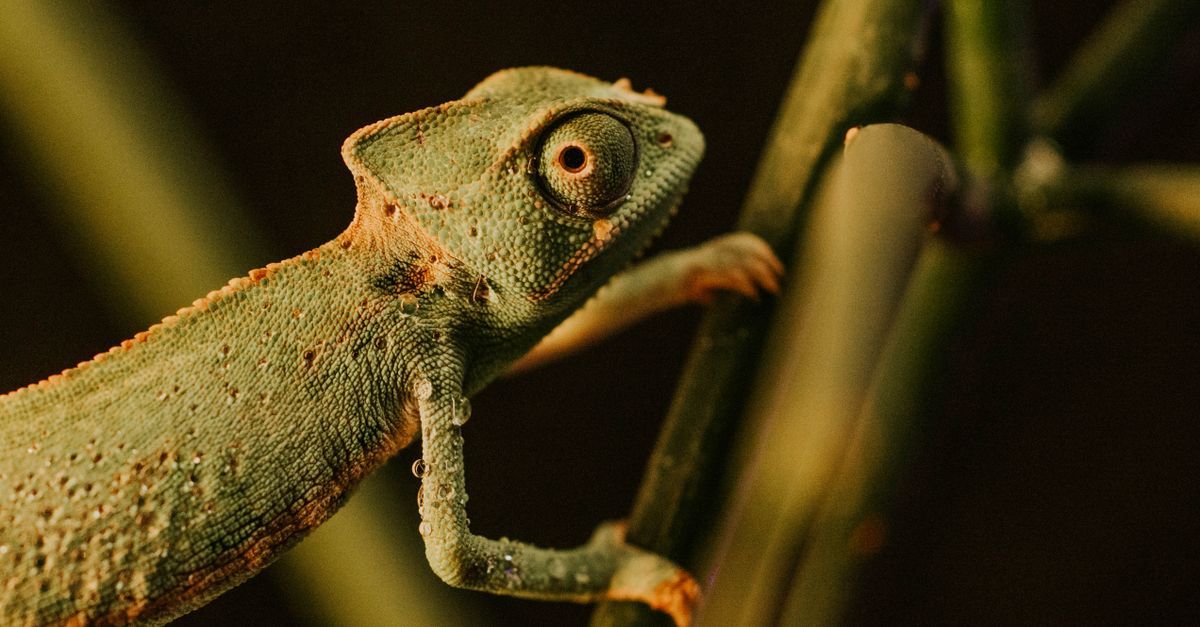
A food web describes who eats whom in an ecosystem, and it is one of the clearest ways to see how ecosystems differ: a tropical rainforest food web and a deep-sea food web both have producers, consumers, and decomposers, but what fills those roles — and how energy enters the system in the first place — can be completely different. Adaptations are the other half of the story: the physical and behavioral traits that let a species survive in a particular biome's climate, food supply, and competition. This category connects the biome-specific articles elsewhere on the site to the underlying ecological concepts that explain why those ecosystems work the way they do.
Articles in this category
What Is a Food Web?
Producers, consumers, and decomposers.
Trophic Levels Explained
With real ecosystem examples.
Keystone Species
Why some animals matter more.
Animal Adaptations to Extreme Cold
Surviving freezing environments.
Animal Adaptations to Heat and Drought
Surviving extreme dry heat.
Plant Adaptations
Survival in harsh ecosystems.
Camouflage and Mimicry
How disguise helps animals survive.
Symbiosis in Ecosystems
Mutualism, commensalism, and parasitism.
Migration as a Survival Adaptation
Why animals migrate.