
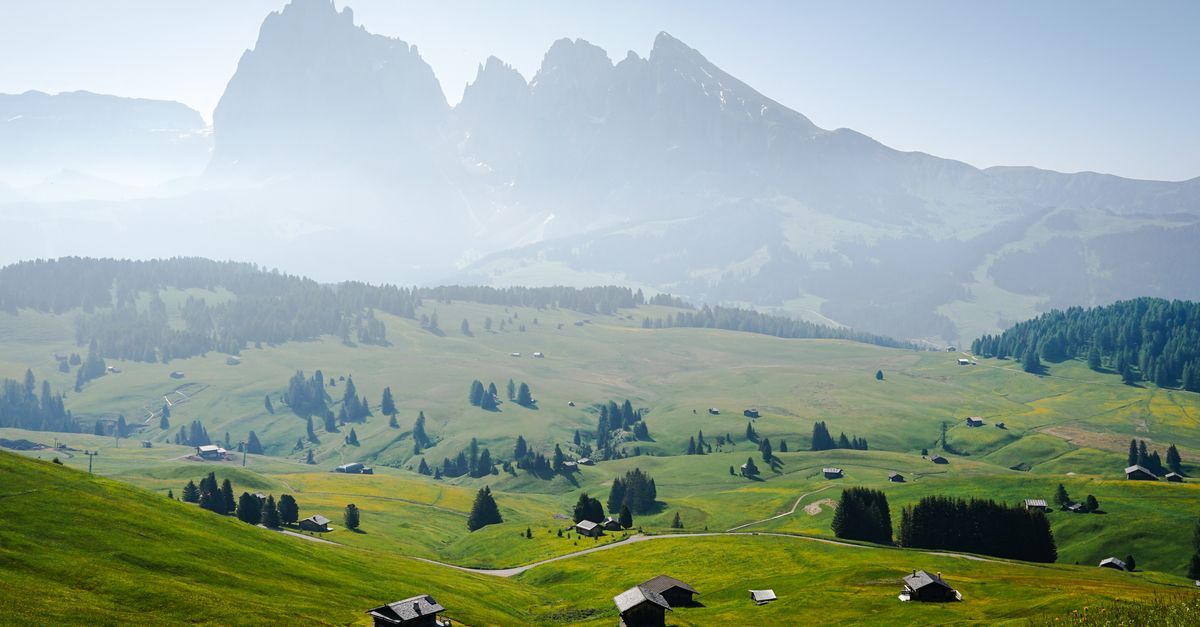
Alpine ecosystems exist wherever a mountain is tall enough to recreate Arctic-like conditions, regardless of how close it sits to the equator. Climb high enough on a peak in the Andes, the Alps, the Himalaya, or even East Africa, and you will eventually cross the tree line into the same kind of cold, wind-scoured, short-season habitat — a biome defined by elevation rather than latitude.
That makes alpine one of the most widely distributed biomes on Earth in terms of where it can occur, even though the total area it covers at any one location is usually small. This article explains the climate, flora, fauna, and conservation pressures facing life above the tree line.
Climate: cold, windy, and intensely sunny
Alpine climate is cold, windy, and intensely sunny, with growing seasons of roughly 45 to 90 days and average summer temperatures near 10°C. Unlike tundra, which is cold because of its latitude, alpine conditions are driven by elevation — thinner air holds less heat and offers less protection from solar radiation and wind.
Soil: thin, rocky, freeze-thaw shaped
Alpine soils are thin, rocky, and poorly developed, with limited organic matter. Repeated freeze-thaw cycles physically break up rock and soil, creating a shifting, often unstable growing surface that adds another challenge on top of cold and wind.
Where alpine ecosystems occur
Alpine zones exist on high mountains across very different latitudes: the Andes in South America, the Alps in Europe, the Himalaya in Asia, the Rockies in North America, and even East African peaks near the equator. Because elevation — not distance from the equator — drives the climate, alpine ecosystems on a tropical peak can closely resemble those found thousands of kilometers away in a temperate mountain range.
Flora and fauna built for wind, cold, and thin air
Alpine plants typically include cushion plants, alpine wildflowers with low rosette growth forms, dwarf willows, and lichens clinging to exposed rock — all low-growing strategies to avoid wind and retain heat. Fauna includes the mountain goat, alpine ibex, pika, golden eagle, and alpine chough, each adapted to cold, thin air, and a short active season.
The alpine food web
Low cushion plants and hardy grasses, as producers, support specialist grazers such as pika and ibex, which are preyed on by raptors like the golden eagle. The food web here is comparatively simple and tightly linked to the brief summer growing pulse, with little buffer if that pulse is disrupted.
| Attribute | Alpine | Tundra |
|---|---|---|
| Driven by | Elevation | Latitude |
| Ground | Thin, rocky, freeze-thaw soil | Permafrost beneath active layer |
| Occurs at | High mountains worldwide, any latitude | High-latitude lowlands |
How to recognize an alpine ecosystem
- Landscape above a visible tree line, with no mature trees present.
- Low, cushion-shaped or rosette-form plants hugging the ground.
- Thin, rocky soil with visible signs of freeze-thaw disturbance.
- Strong, near-constant wind exposure.
- Wildlife specialized for steep, rocky terrain (ibex, pika) rather than open plains.
Threats and conservation
The tree line — the sensitive lower edge of the alpine zone — is shifting upslope as the climate warms, shrinking alpine habitat from below with nowhere higher to retreat to on many peaks. More than 98% of alpine tundra in Europe is concentrated in the Alps, Scandes, and Pyrenees, making it especially vulnerable to localized climate shifts (accessed November 4, 2026).
This "escalator to extinction" pattern, as ecologists sometimes describe it, is one of the more predictable consequences of mountain warming: species already living near a summit have less and less habitat available as conditions suitable for them move further upslope, until there is simply no more mountain left to climb. Lower-elevation shrubs and trees advancing into former alpine meadow can also change the structure of the habitat itself, shading out the low, sun-loving cushion plants and wildflowers that specialist alpine grazers depend on. Because alpine zones on different mountain ranges are often separated by lower, warmer valleys that alpine species cannot easily cross, populations tend to be isolated from one another, which limits their ability to adapt by simply shifting their range sideways rather than upward.
Common mistakes
- Confusing alpine with tundra. Both are cold and treeless, but alpine is driven by elevation and can occur near the equator, while tundra is driven by latitude.
- Assuming alpine habitat can simply "move up." Many peaks have limited elevation above the current alpine zone, leaving nowhere higher to retreat as the tree line rises.
- Underestimating how small this biome's total footprint is. Alpine zones are often narrow bands near mountain summits, making them unusually vulnerable to disturbance.
Frequently asked questions
Why does elevation create conditions like the Arctic?
Temperature drops with elevation regardless of latitude, so a tall enough mountain near the equator can have cold, wind-exposed conditions similar to tundra much farther north.
How long is the alpine growing season?
Roughly 45 to 90 days, with average summer temperatures near 10°C, driven by elevation rather than latitude.
What is the tree line?
The elevation above which trees can no longer survive due to cold, wind, and a short growing season. Above it, vegetation shifts to low, hardy alpine plants.
Is climate change affecting alpine ecosystems?
Yes — the tree line is shifting upslope, shrinking alpine habitat from below. More than 98% of alpine tundra in Europe is concentrated in just the Alps, Scandes, and Pyrenees.
What animals live in alpine ecosystems?
Typical animals include mountain goats, alpine ibex, pika, golden eagles, and alpine choughs.
Sources
- US National Park Service — Alpine Tundra Ecosystem (Rocky Mountain National Park). Accessed November 4, 2026. nps.gov