
Conservation and Human Impact
Every ecosystem on this site faces some combination of habitat loss, climate change, invasive species, or pollution. These nine articles cover the science of conservation — how threats are measured, how protection works, and how ordinary people can contribute to monitoring.
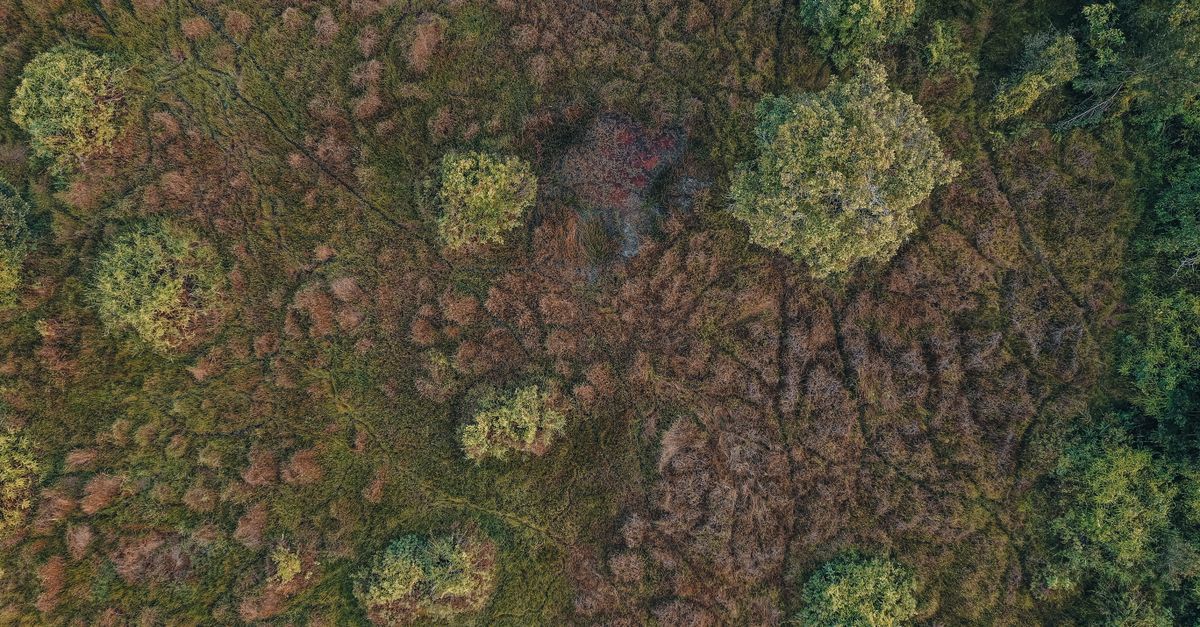
Conservation is a scientific discipline with its own methods and vocabulary: biodiversity hotspots, protected-area categories, extinction-risk classifications, habitat fragmentation. Understanding these terms makes it possible to read a conservation status or a news report about an ecosystem critically, rather than taking a claim at face value. These articles explain the mechanisms behind the threats ecosystems face — from deforestation to ocean acidification — and the institutional frameworks, like the IUCN Red List and protected-area systems, built to respond to them. Every conservation-status figure elsewhere on this site links back to the dated source behind it — see our methodology for details.
Articles in this category
What Is a Biodiversity Hotspot?
How these regions are defined.
Protected Areas and National Parks
How conservation works.
Deforestation and Its Impact
Effects on forest ecosystems.
Climate Change and Shifting Biomes
How warming moves biome boundaries.
Invasive Species
How they disrupt ecosystems.
Ocean Acidification Explained
Causes and effects on marine life.
The IUCN Red List
How extinction risk is measured.
Habitat Fragmentation
And how wildlife corridors help.
Citizen Science
How you can help monitor ecosystems.