
Freshwater and Wetland Ecosystems
Freshwater and wetland ecosystems cover a small share of Earth's surface but support an outsized share of its biodiversity. These nine articles cover lakes, rivers, marshes, and mangrove forests — the places where fresh water, and sometimes salt water, shapes everything that lives there.
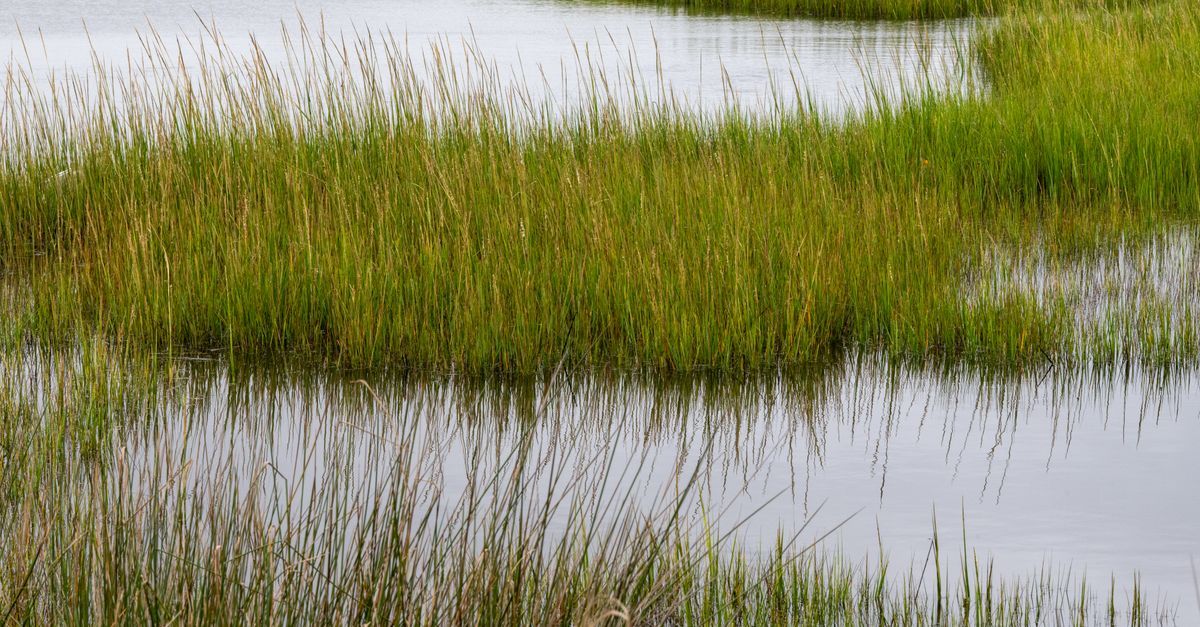
Unlike terrestrial biomes, freshwater and wetland ecosystems are defined as much by movement as by climate. A river is a different ecosystem at its headwaters than at its mouth; a lake separates into distinct zones by depth and temperature; a wetland can be dry for months and flooded for weeks. Mangrove forests sit at the boundary between fresh and salt water, giving them a foot in both the freshwater and marine world. These ecosystems also tend to be the most threatened on Earth, since they sit exactly where human settlement, agriculture, and development concentrate. Compare any two of these ecosystems directly in the Biome and Ecosystem Comparator, with every figure sourced from institutions like Ramsar, USGS, NOAA, and the IUCN Red List.
Articles in this category
Lake Ecosystems
Zones, stratification, and life.
River Ecosystems
From headwater to mouth.
Freshwater Wetlands and Marshes
Nature's water filters.
Mangrove Forests
Where land meets the sea.
Freshwater Biodiversity
Why lakes and rivers are at risk.
Wetland Food Webs
Who eats whom in a marsh.
Seasonal Flooding and Wetlands
How flood cycles shape wetland life.
How Mangroves Protect Coastlines
Natural storm and flood defense.
Freshwater vs. Marine Ecosystems
Key differences, explained.