
Marine and Coastal Ecosystems
The ocean is Earth's largest biome, and far from uniform. These nine articles cover coral reefs, kelp forests, the sunlit open ocean, and the deep sea — ecosystems that range from the most biodiverse on the planet to some of the least explored.
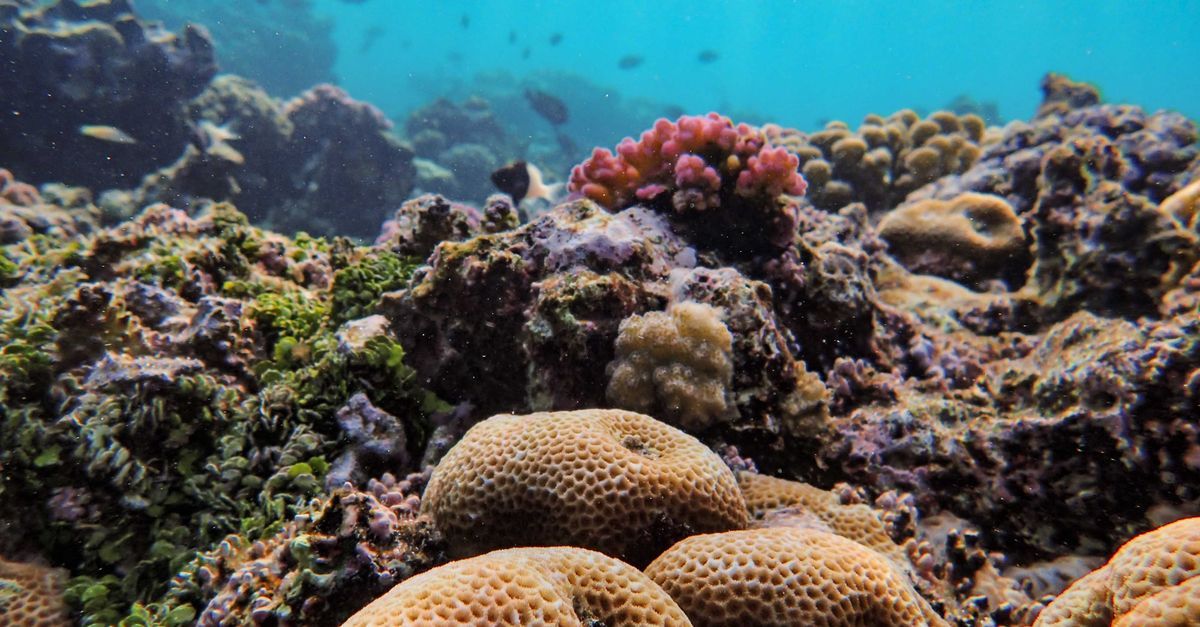
Marine ecosystems are shaped by light, depth, and temperature more than by the land-based factors that define terrestrial biomes. Coral reefs and kelp forests depend on sunlight reaching shallow coastal water and support enormous biodiversity in a small area. The open ocean is defined by its vastness and relative scarcity of nutrients away from the coast. The deep sea, below where sunlight penetrates, runs on a completely different energy source — in places, chemical energy from hydrothermal vents rather than photosynthesis. Compare these ecosystems directly in the Biome and Ecosystem Comparator, with every figure sourced from institutions like NOAA, the IUCN Red List, and the Smithsonian.
Articles in this category
Coral Reef Ecosystems
Structure and biodiversity.
Why Coral Bleaching Happens
What it means for reefs.
Kelp Forests
Underwater forests of the temperate coast.
Open Ocean (Pelagic) Ecosystems
Life in the open water.
Deep Sea Ecosystems
Life without sunlight.
Hydrothermal Vents
Deep-sea food webs explained.
Ocean Zones Explained
From sunlight to midnight.
Coastal Ecosystems and Human Impact
How development affects the coast.
Marine Food Webs
From plankton to apex predators.