
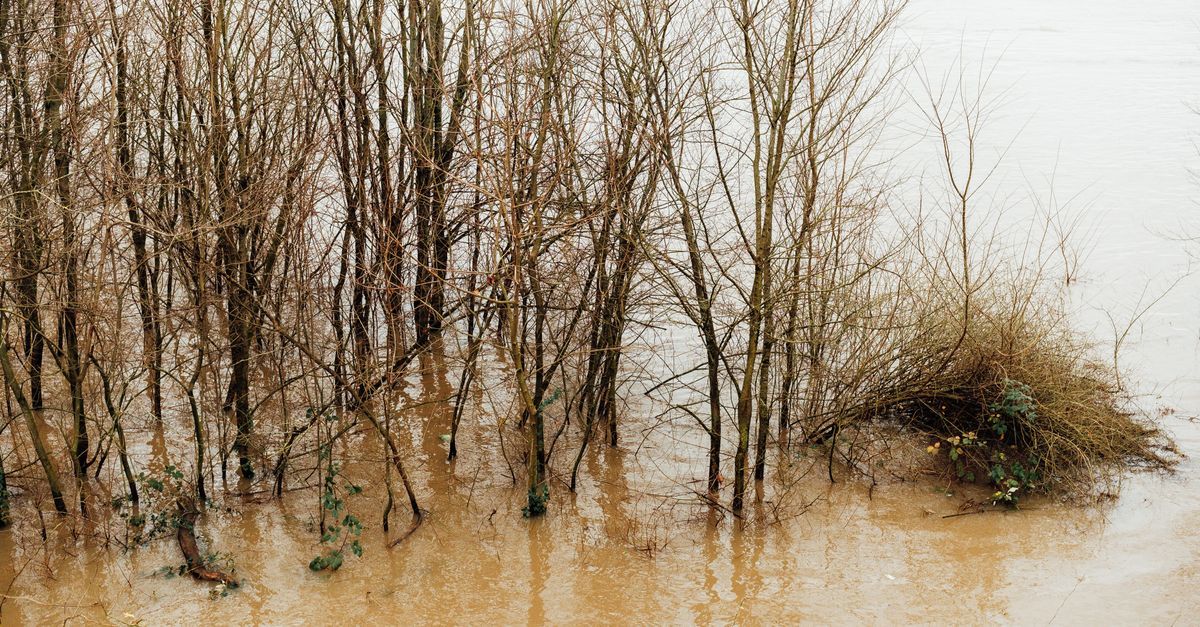
Flooding has a bad reputation — it's covered as a hazard, a disaster, something to be controlled with levees and dams. But for wetlands and the rivers that feed them, regular seasonal flooding isn't a malfunction. It's the mechanism that keeps the whole system running.
This article explains how seasonal flooding supports wetland ecosystems, what a "flood pulse" is, and what's lost when that natural cycle is interrupted.
What a flood pulse actually does
Ecologists use the term flood pulse to describe the regular, often predictable rise and fall of water levels that connects a river to its surrounding floodplain. As water spreads across the floodplain, it slows down, drops sediment carrying nutrients, and saturates soil that will stay moist long after the water recedes — effectively resetting conditions for the next growing season.
Species timed to the flood cycle
Many freshwater species have evolved life cycles timed to seasonal flooding. The northern pike, for example, moves into temporarily flooded vegetation to spawn, using that habitat because it offers abundant food and fewer predators for young fish than the main river channel. Many wetland plants likewise time germination and seed dispersal to the flood cycle, using rising water to carry seeds across the floodplain.
| Function | Why it matters |
|---|---|
| Nutrient delivery | Floodwaters carry sediment and nutrients onto the floodplain, fertilizing wetland soil |
| Spawning habitat access | Fish such as northern pike use flooded vegetation for breeding |
| Seed and propagule dispersal | Rising water spreads plant seeds across the floodplain |
| Groundwater recharge | Floodwater infiltrates soil, replenishing local water tables |
What happens when flooding is blocked
Dams, levees, and drainage infrastructure are often built specifically to prevent flooding — a reasonable goal for protecting homes and farmland, but one with ecological costs. When a river is disconnected from its floodplain, species that depend on that seasonal connection, like spawning pike, lose access to critical habitat, even though the river's water quality might look perfectly healthy. Floodplain wetlands that no longer receive regular flooding can also dry out and lose the plant communities adapted to fluctuating water levels.
Balancing flood control and ecosystem health
Modern floodplain management increasingly tries to balance human flood protection with ecological flooding needs — for example, through engineered wetlands, managed floodplain reconnection projects, or seasonal "flood pulses" released from reservoirs to mimic natural conditions downstream. These approaches recognize that eliminating flooding entirely removes an ecological function that took thousands of years to establish.
A real-world example: restoring the Kissimmee River's flood pulse
Florida's Kissimmee River shows what deliberately restoring a flood pulse looks like in practice. The historic river once meandered for about 103 miles through central Florida, with a floodplain reaching up to two miles wide that stayed inundated for long stretches during the seasonal rains. Between the 1960s and early 1970s, the U.S. Army Corps of Engineers channelized the river into a straight, 30-foot-deep drainage canal to control flooding for agriculture and development — which also drained roughly 50,000 acres of floodplain wetlands and disconnected the river from the flood pulse that wetland birds, fish, and wading species depended on.
Congress authorized a reversal in 1992, and construction on the Kissimmee River Restoration Project began in 1999 as a joint effort between the Corps of Engineers and the South Florida Water Management District. Backfilling the canal and recarving the river's historic bends took over two decades; construction was completed in July 2021. The finished project restored more than 40 square miles of river floodplain, around 20,000 acres of wetlands, and 44 miles of the historic, meandering river channel — and with it, the seasonal flood pulse that reconnects the river to its floodplain each year. Monitoring since restoration has documented the return of wetland plant communities and wading bird foraging habitat that had been absent since the canal was built, illustrating how reintroducing a flood pulse can measurably rebuild wetland ecosystem function, even after decades of disconnection.
Common mistakes
- Treating all flooding as harmful: seasonal, predictable flooding is often essential to the ecosystems it touches.
- Assuming flood control has no ecological cost: disconnecting rivers from floodplains removes habitat many species depend on.
- Confusing flood pulses with flash floods: the ecological benefits described here come from regular, predictable cycles, not sudden extreme events.
- Overlooking groundwater recharge: flooding replenishes water tables in ways that benefit areas beyond the floodplain itself.
FAQ
Why is seasonal flooding good for wetland ecosystems?
Seasonal flooding delivers fresh nutrients and sediment, connects rivers to floodplain habitat used for spawning and feeding, and recharges wetland water levels, all of which many species depend on as part of their natural life cycle.
What is a flood pulse?
A flood pulse is the regular, often predictable rise and fall of water levels that connects a river to its floodplain, triggering biological events like fish spawning and seed germination timed to that cycle.
What happens when flooding is blocked by dams or levees?
Species that depend on seasonal flooding for spawning or feeding, such as northern pike using flooded vegetation, lose access to that habitat, which can reduce reproduction even if water quality elsewhere remains good.
Is all flooding beneficial to ecosystems?
Natural, seasonal flood pulses that ecosystems have adapted to over long timescales are generally beneficial, but unusually severe or mistimed flooding, often linked to extreme weather, can still damage habitat and stress wildlife.
How does flooding help wetland plants?
Floodwaters deposit nutrient-rich sediment and help disperse seeds and propagules across the floodplain, supporting the growth of wetland vegetation adapted to fluctuating water levels.
Sources
- USGS — River and floodplain ecology publications, accessed November 4, 2026.
- Ramsar Convention — Global Wetland Outlook 2025, accessed November 4, 2026.
- South Florida Water Management District — Kissimmee River Restoration Project fact sheet, accessed November 4, 2026.