
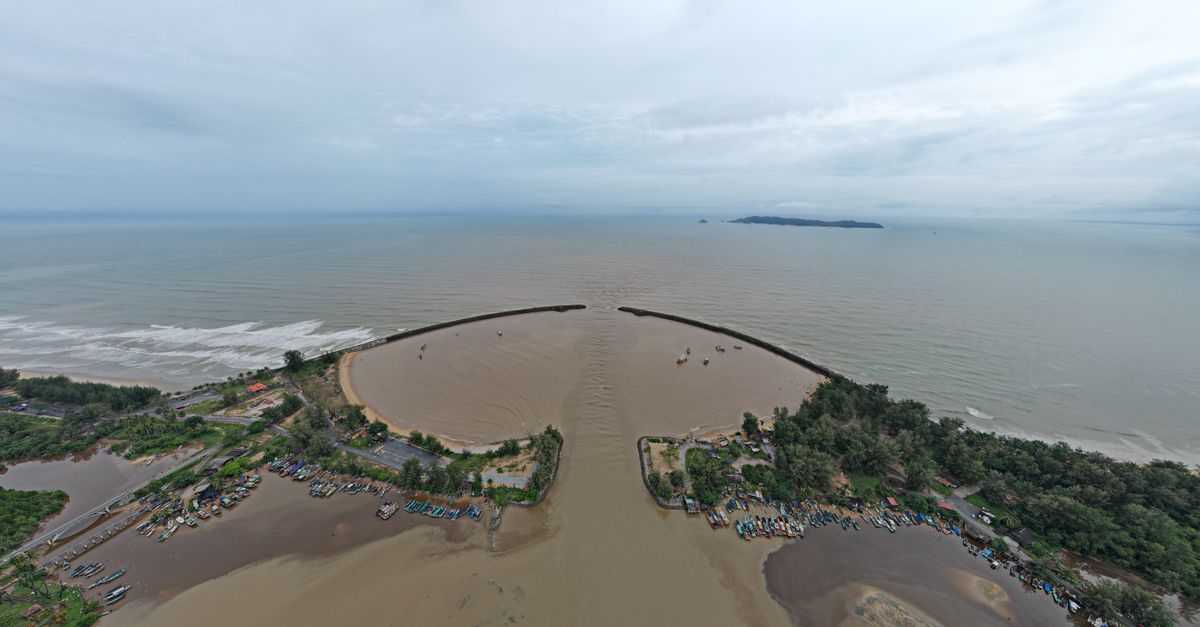
Freshwater and marine ecosystems are often grouped together loosely as "aquatic," but they differ in ways that go far beyond salt content. Scale, stability, biodiversity patterns, and the specific threats each faces all set them apart — and understanding those differences explains why conservation strategies for a river look nothing like conservation strategies for a coral reef.
This article compares the two across several dimensions, using our Biome and Ecosystem Comparator dataset as a starting point.
Salinity: the defining difference
The most basic distinction is salt content. Freshwater ecosystems — lakes, rivers, and wetlands — have very low salinity, while marine ecosystems, from coral reefs to the open ocean, are salty. This single variable shapes an enormous range of biological adaptations, from how fish regulate water balance in their bodies (osmoregulation) to which plants can survive at all; mangroves, discussed elsewhere on this site, are a notable exception that bridges the two worlds.
Scale: a vast difference in area
Oceans cover roughly 70% of Earth's surface, making marine ecosystems by far the larger system in terms of total area. Freshwater habitats — lakes, rivers, and wetlands combined — cover only a small fraction of the planet's surface by comparison, despite supporting a disproportionately large share of global biodiversity for their size.
| Dimension | Freshwater | Marine |
|---|---|---|
| Salinity | Very low | Salty |
| Share of Earth's surface | Small fraction | ~70% |
| Short-term stability | Can change rapidly with weather and season | Large systems like the open ocean are comparatively stable |
| Reported population trend (WWF Living Planet) | ~83% average decline, 1970–2018 (steepest of any biome group) | Declining, but at a lower average rate than freshwater |
Stability: small systems change faster
Because freshwater bodies are generally much smaller than ocean basins, they're more sensitive to short-term change — a single heavy rain event, a pollution spill, or a hot week can shift a lake's or stream's conditions noticeably within days. Large marine systems, especially the open ocean, change more slowly, though marine ecosystems are not immune to abrupt events, as seen in large-scale coral bleaching episodes tied to ocean heat stress.
Why freshwater species are declining faster
Despite covering a much smaller area, freshwater ecosystems absorb a concentrated set of human pressures — damming, water withdrawal, and pollution among them — which is part of why WWF's Living Planet Report found freshwater species populations declining by an average of roughly 83% between 1970 and 2018, a steeper decline than for marine or terrestrial species over the same period. For a deeper look at this trend, see our article on freshwater biodiversity at risk.
Species that bridge both worlds
Not every species fits neatly into one category. Diadromous species move between freshwater and marine ecosystems as part of their life cycle — salmon, for instance, migrate from the ocean into freshwater rivers to spawn, requiring specialized physiological adaptations to handle the shift in salinity. Mangrove forests, meanwhile, occupy the boundary itself, tolerant of both saltwater tides and freshwater input from land.
Quick example: a salmon's journey
A Pacific salmon spends most of its adult life in the open ocean, then migrates up a river system to spawn in freshwater, undergoing internal physiological changes along the way to cope with the shift from salt water to fresh. This single life cycle touches both ecosystem types covered in this comparison, and depends on both being healthy and connected.
Common mistakes
- Lumping all "water ecosystems" together: freshwater and marine systems differ in salinity, scale, and the threats they face.
- Assuming marine ecosystems are automatically more resilient: they're often larger and more stable, but large-scale events like coral bleaching show they're not immune to rapid change.
- Overlooking freshwater's outsized biodiversity: freshwater habitats support a disproportionate share of species relative to their small area.
- Forgetting diadromous species: conservation plans that treat freshwater and marine habitats separately can miss species that depend on both.
FAQ
What is the main difference between freshwater and marine ecosystems?
The clearest difference is salinity: freshwater ecosystems have very low salt content, while marine ecosystems are salty, which shapes everything from the physiology of resident species to water density and chemistry.
Which covers more of Earth's surface, freshwater or marine ecosystems?
Marine ecosystems cover a vastly larger area, with oceans making up about 70% of Earth's surface, while freshwater habitats such as lakes, rivers, and wetlands cover only a small fraction of it.
Why are freshwater species declining faster than marine species?
Although freshwater habitats are comparatively small, they absorb a concentrated set of human pressures, including damming, water withdrawal, and pollution, which is one reason WWF's Living Planet Report found freshwater species declining faster than marine or terrestrial ones.
Are marine ecosystems more stable than freshwater ones?
Large marine ecosystems like the open ocean tend to have more stable temperature and chemistry over short timescales than small freshwater bodies, which can change rapidly with weather, season, and local pollution events.
Can a species live in both freshwater and marine ecosystems?
Some species, called diadromous species, move between freshwater and marine environments as part of their life cycle, such as salmon migrating from the ocean to freshwater rivers to spawn, requiring physiological adaptations to handle both salinity levels.
Sources
- WWF Living Planet Report (2022 edition) — freshwater and marine species population trends, accessed November 4, 2026.
- NOAA Ocean Exploration, accessed November 4, 2026.
- NOAA Coral Reef Watch — global coral bleaching event, accessed November 4, 2026.