
Plants can't migrate to escape drought, cold, or fire — every adaptation has to work where they stand. In harsh ecosystems like hot deserts, alpine zones, and Mediterranean shrubland, plants have evolved specialized structures and life cycles that let them conserve water, tolerate temperature extremes, and in some cases, use fire or wind to their advantage rather than simply enduring it.
These adaptations tend to cluster around a few core strategies: storing resources, reducing loss, timing growth carefully, and in some ecosystems, actively exploiting disturbance like fire.
Storing water: succulence in deserts
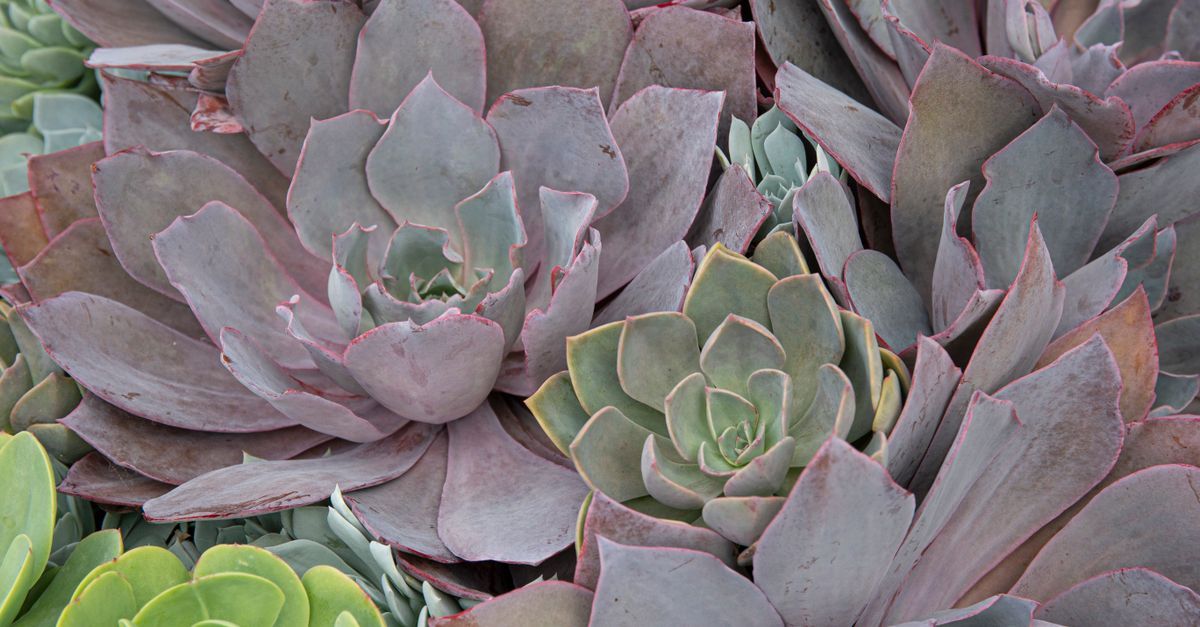
In hot deserts, where rainfall is often under 250 mm a year, columnar cacti like the saguaro store large volumes of water in thick, fleshy stems — a strategy called succulence. By reducing leaves to spines, these plants minimize the surface area through which water can evaporate, while their stems expand and contract like an accordion as water is stored and used. Other desert plants take the opposite route: drought-deciduous shrubs like creosote bush simply drop their leaves during the driest periods, and short-lived annual wildflowers skip the problem altogether by germinating, flowering, and setting seed within weeks of a rare rain.
Reducing water loss: sclerophyllous leaves
In Mediterranean shrubland — found in California, the Mediterranean Basin, Chile, South Africa, and parts of Australia — summer drought is predictable and severe even though winters are wet. Many plants there have sclerophyllous leaves: small, hard, and waxy, built to resist water loss during the long dry season rather than to maximize photosynthesis. Deep root systems that reach groundwater through summer drought complement this strategy, allowing shrubs like manzanita and cork oak to stay green year-round despite months without rain.
Using fire: serotiny and resprouting
Rather than simply resisting fire, many Mediterranean-climate plants are built around it. Some species practice serotiny — keeping seed cones or pods sealed, often with resin, until the heat of a fire melts the seal and releases seeds onto a newly cleared, nutrient-rich seedbed. Others resprout directly from fire-resistant root crowns after a burn. All five Mediterranean-climate regions in the world are recognized biodiversity hotspots with unusually high plant endemism — more than a third of plant species in California's Mediterranean zone are found nowhere else — and this adaptability to fire is part of what has allowed such diversity to persist. Fire that occurs more often than the natural return interval, however, can overwhelm these adaptations and convert shrubland permanently into non-native annual grassland.
Surviving cold and wind: alpine plant strategies
At high elevation, alpine plants face short growing seasons (roughly 45–90 days), intense wind, and strong UV exposure. Many grow as cushion plants — low, dense, rounded mats that reduce wind exposure and trap a thin layer of warmer air near the ground, protecting the plant's growing points. Hairy or waxy leaf surfaces limit both water loss and UV damage, and many alpine species are slow-growing and long-lived, an adaptation suited to a growing season too short for rapid annual growth.
Plant adaptations compared across harsh biomes
| Biome | Main stress | Key adaptation |
|---|---|---|
| Hot desert | Extreme drought | Succulence (cacti), drought-deciduous leaves, rapid annual life cycles |
| Mediterranean shrubland | Seasonal drought + fire | Sclerophyllous leaves, serotiny, resprouting |
| Alpine | Cold, wind, short season | Cushion growth form, waxy/hairy leaves, slow growth |
| Tundra | Cold, short season, permafrost | Low, ground-hugging growth; rapid flowering in brief summer |
How to identify a harsh-environment plant adaptation
- Thick, fleshy stems or leaves (succulence) suggest water storage for drought.
- Small, hard, waxy leaves suggest water-loss reduction in seasonal drought.
- Low, cushion-like or mat-forming growth suggests wind or cold protection.
- Sealed, resin-coated seed cones suggest a fire-adapted life cycle.
- Very short life cycles (germination to seed in weeks) suggest an escape strategy from unpredictable rain.
Common mistakes
- Assuming all desert plants are cacti. Many deserts worldwide have few or no native cacti and instead rely on other succulents or drought-deciduous shrubs.
- Treating fire as purely destructive. In fire-adapted ecosystems like Mediterranean shrubland, periodic fire is part of the natural cycle — it's unusually frequent fire that causes lasting damage.
- Confusing alpine adaptations with tundra adaptations. They look similar (low growth, cold tolerance) but are driven by elevation versus latitude, and the day-length and UV conditions differ.
Frequently asked questions
What is serotiny?
Serotiny is a fire-adapted trait in which a plant's seed cones or pods stay sealed, often with resin, until the heat of a fire melts the seal and triggers seed release — timing germination to follow a fire, when competition is low and nutrients are freshly available.
What does "sclerophyllous" mean?
Sclerophyllous describes small, hard, waxy leaves adapted to reduce water loss, common in Mediterranean shrubland plants that face hot, dry summers.
How do cushion plants survive in alpine ecosystems?
Cushion plants grow in low, dense, rounded mats that reduce wind exposure, trap a small layer of warmer air near the ground, and protect the plant's growing points from cold and physical damage.
Why do cacti store water in their stems instead of leaves?
Storing water in a thick, fleshy stem (succulence) while reducing leaves to spines minimizes the surface area through which water can evaporate, letting the plant hold onto scarce water for long dry periods.
Sources
- Huntington Botanical — Mediterranean shrublands overview, accessed November 4, 2026.
- US National Park Service — Alpine Tundra Ecosystem (Rocky Mountain National Park), accessed November 4, 2026.
- Eco Animal Life biome dataset (hot-desert, mediterranean, and alpine entries). See our methodology.