
Surviving extreme cold means solving one core problem: keeping a warm-blooded body's internal temperature stable when the surrounding air or water is constantly pulling heat away. Animals in the tundra, taiga, and polar ice biomes have evolved a remarkable toolkit to do this — through insulation, behavior, circulation, and timing — each adaptation trading off energy cost against survival value.
These adaptations aren't just curiosities; they're the reason cold biomes can support any animal life at all, from tiny lemmings beneath tundra snow to the emperor penguins of Antarctica.
Insulation: fur, feathers, and fat
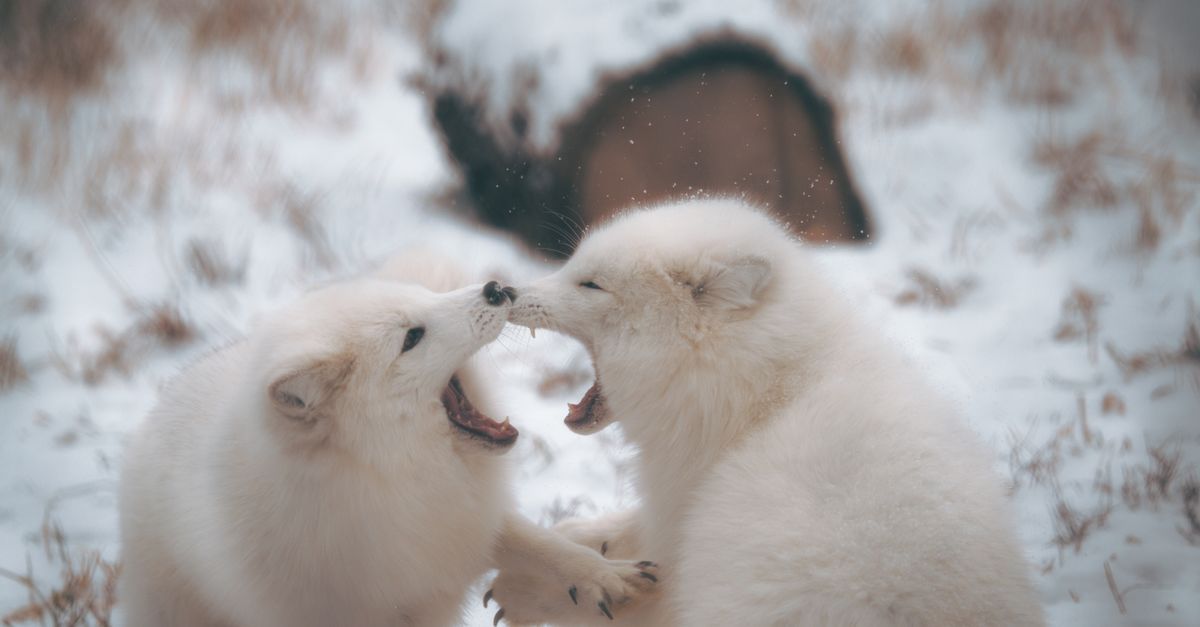
The most direct defense against cold is trapping a layer of warm air next to the skin. Arctic foxes and caribou grow dense winter coats, while emperor penguins rely on tightly packed, multi-layered feathers combined with a thick fat layer. Polar bears, listed as Vulnerable on the IUCN Red List with sea-ice loss identified as their primary threat, combine dense underfur, guard hairs, and a substantial fat layer to stay warm even while swimming in near-freezing Arctic water.
Countercurrent circulation: protecting the extremities
Exposed body parts like legs, flippers, and bills lose heat fast because they have a large surface area relative to their volume. Many cold-climate animals solve this with countercurrent circulation: blood vessels carrying warm blood outward run alongside vessels carrying cooled blood back toward the core, transferring heat between them before it's lost to the environment. This lets animals like Arctic foxes and seabirds stand on ice or swim in freezing water without losing dangerous amounts of core heat through their feet or flippers.
Behavioral adaptations: huddling and timing
Behavior matters as much as biology. Emperor penguins, which the IUCN uplisted to Endangered in April 2026 as warming reduces the sea ice they depend on for breeding, huddle in large, densely packed groups through the Antarctic winter, rotating positions so no individual is stuck on the cold outer edge for too long. In the taiga, animals like the snowshoe hare reduce activity during the coldest periods and rely on stored body fat, while some mammals enter hibernation or torpor — a deep, energy-saving dormant state — to avoid the harshest months altogether.
Seasonal camouflage
In the tundra and taiga, several species — including the Arctic fox and snowshoe hare — molt into a white winter coat that blends with snow, then shift back to brown or gray fur as the seasons change. This seasonal camouflage works both ways: it helps prey species avoid predators and helps predators like the Arctic fox approach prey undetected.
Life under the snow: the subnivean zone
Not every cold-climate adaptation is about enduring the open air. In the tundra and taiga, a layer of snow sitting over soil and low vegetation creates a hidden microhabitat known as the subnivean zone, where temperatures stay close to freezing even when the air above is far colder. Lemmings, voles, and shrews tunnel through this insulated space all winter, feeding on roots, bark, and stored seeds while largely sheltered from wind chill and airborne predators. The trade-off is that subnivean life concentrates prey in a way some predators have adapted to exploit: Arctic foxes and snowy owls can hear small mammals moving under the snow and break through the crust to catch them, which is why ground-level hearing and pouncing behavior are themselves cold-biome adaptations, not just fur and fat.
This layered strategy — large animals insulating and huddling above the snow, small animals tunneling beneath it — shows that "surviving the cold" is not a single solution but a set of different answers to the same energy problem, shaped by an animal's size, diet, and position in the food web.
Adaptations compared across three cold biomes
| Biome | Key adaptation | Example species |
|---|---|---|
| Tundra | Seasonal white camouflage; low, ground-hugging behavior to avoid wind | Arctic fox, snowy owl |
| Taiga (boreal forest) | Coat color change; fat storage and reduced winter activity | Snowshoe hare, Canada lynx |
| Polar ice | Huddling, dense insulating feathers/fur, countercurrent circulation | Emperor penguin, polar bear |
How to spot a cold-adapted animal
- Compact body shape with a lower surface-area-to-volume ratio (short ears, legs, tails) compared to warm-climate relatives.
- Dense, layered fur or feathers, sometimes with a seasonal color change.
- Significant fat reserves, especially before winter.
- Group or huddling behavior during the coldest periods.
- Reduced activity, torpor, or hibernation timed to the harshest months.
Common mistakes
- Confusing hibernation with torpor. Hibernation is a long seasonal state; torpor is typically shorter-term, sometimes just overnight.
- Assuming all cold-climate animals hibernate. Many, like the Arctic fox and emperor penguin, stay active through winter using insulation and behavior instead.
- Overlooking behavioral adaptations. Huddling and activity timing are just as important as physical traits like fur.
Frequently asked questions
What is countercurrent circulation?
Countercurrent circulation is a blood-flow arrangement in which warm blood traveling toward an extremity (like a leg or flipper) runs close to cold blood returning to the body core, transferring heat between them. This limits heat loss through exposed extremities in many cold-climate animals.
Why do some animals change color with the seasons?
Species such as the Arctic fox and snowshoe hare molt into a white winter coat for camouflage against snow, then shift back to brown or gray in summer, helping them avoid predators or sneak up on prey year-round.
How does huddling help emperor penguins survive the cold?
Emperor penguins huddle in large, tightly packed groups during the Antarctic winter, rotating positions so each bird spends time sheltered in the warmer center, which can significantly reduce individual heat loss compared to standing alone.
Is hibernation the same as torpor?
No. Hibernation is a long, deep seasonal state lasting weeks or months, while torpor is a shorter-term, often daily drop in body temperature and metabolism that some animals use to conserve energy during a single cold night or cold snap.
Sources
- IUCN Red List — Ursus maritimus (Polar bear), accessed November 4, 2026.
- IUCN Red List — Aptenodytes forsteri (Emperor penguin), 2026 reassessment, accessed November 4, 2026.
- Eco Animal Life biome dataset (tundra, taiga, and polar-ice entries). See our methodology.