
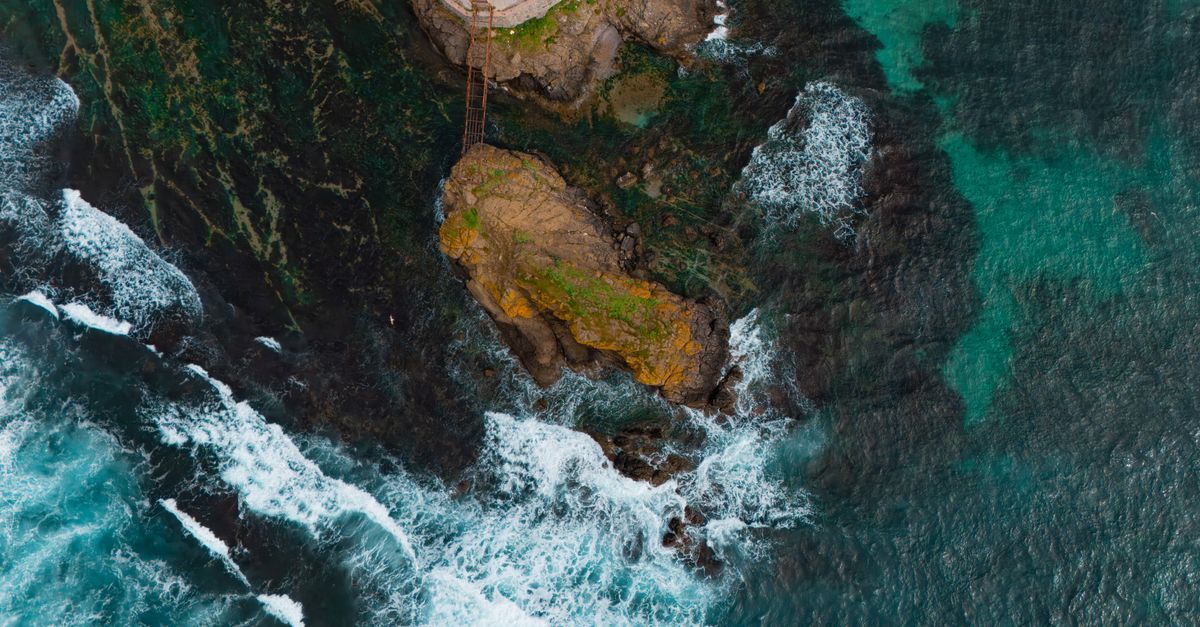
No marine ecosystem is more directly shaped by human activity than the coastal zone — the narrow band where land, freshwater, and ocean meet. It's also where an outsized share of humanity lives, works, and fishes. Research using 2018 population data found that about 15% of the world's population lived within 10 kilometers of the coast, and roughly 29% lived within 50 kilometers — a concentration of people that puts direct, sustained pressure on coral reefs, mangroves, and kelp forests alike.
Three ecosystems, three different pressures
Coral reefs, mangroves, and kelp forests each face a distinct mix of threats, even though they're often grouped together as "coastal ecosystems." Reefs are most threatened by ocean warming (see our article on coral bleaching) combined with local pollution and physical damage from anchors, trawling, and coastal development. Mangroves are primarily lost to direct land conversion — according to the FAO, aquaculture conversion, especially for shrimp ponds, has been the leading driver of mangrove loss in recent decades. Kelp forests are increasingly affected by marine heatwaves and the loss of key predator species that keep grazers like sea urchins in check.
| Ecosystem | Leading pressure | Secondary pressures |
|---|---|---|
| Coral reef | Ocean warming / bleaching | Pollution, physical damage, overfishing of herbivorous fish |
| Mangrove forest | Land conversion (notably aquaculture) | Coastal development, upstream pollution |
| Kelp forest | Marine heatwaves | Loss of predator species, urchin overgrazing |
What these ecosystems are worth
Putting a dollar figure on an ecosystem is always an approximation, but the exercise helps explain why conservation is treated as an economic question, not just an ecological one. A NOAA-commissioned review of the total economic value of U.S. coral reefs put combined annual value — covering tourism and recreation, fisheries, coastal protection, and other amenity value — at just over $3.4 billion a year for the United States alone. That figure doesn't include mangroves or kelp forests, and it covers only U.S. waters, so it understates the global value of coastal ecosystems as a whole; other published estimates for global reef goods and services, using different methods, run considerably higher. The point isn't the exact number, which varies a great deal by study and region, but the consistent finding that these ecosystems generate measurable economic value well beyond their ecological importance. That's part of why conservation economists increasingly argue that protecting a reef, mangrove forest, or kelp bed should be weighed against the cost of losing a working asset, not treated purely as an optional environmental expense.
Why protecting these ecosystems protects people too
Coastal ecosystems aren't just biodiversity hotspots; they're working infrastructure. Mangroves and reefs absorb wave energy, reducing flood and erosion risk for nearby communities during storms, as covered in our article on how mangroves protect coastlines. Reefs and mangroves alike also serve as nursery habitat for fish stocks that coastal fishing communities depend on directly. Losing these ecosystems doesn't just mean losing wildlife — it means losing a buffer against storm damage and a foundation for local food security.
A pressure all three ecosystems share: runoff and plastic pollution
Alongside the ecosystem-specific threats above, reefs, mangroves, and kelp forests all sit downstream of land-based human activity in a literal sense. Agricultural and urban runoff carries excess nutrients, mainly nitrogen and phosphorus, into coastal waters, where it can trigger algae blooms that cloud the water, reduce oxygen, and smother reef and kelp surfaces that need clear water and light to survive. Mangrove roots can filter and trap some of this runoff before it reaches open water — one of the quieter services they provide alongside storm protection — but heavily developed coastlines often overwhelm that natural filtering capacity entirely. Plastic pollution adds a second, more visible pressure: reef organisms can be physically damaged or smothered by plastic debris, and some studies have found that disease risk on reefs increases where coral is in direct contact with plastic waste, because the debris can introduce pathogens or create conditions that stress coral tissue. Because all three ecosystems sit at the bottom of the same coastal watershed, action taken far inland — better agricultural runoff management, wastewater treatment, plastic waste reduction — can measurably reduce pressure on reefs, mangroves, and kelp forests alike, even without directly touching the ecosystems themselves.
What's working: a practical example
- Mangrove restoration projects in multiple countries have shown measurable regrowth within years when replanting is paired with reduced aquaculture conversion pressure.
- Marine protected areas that restrict fishing of herbivorous fish like parrotfish have, in some locations, helped reefs resist algae overgrowth after bleaching events.
- Sea otter population recovery in parts of the Pacific coast has been linked to improved kelp forest resilience, showing how restoring a single species can cascade through an ecosystem.
- Reducing local pollution and sediment runoff, even without addressing global ocean warming, measurably improves coral's ability to withstand and recover from heat stress.
Common mistakes about coastal human impact
Common mistakes:
- Treating all coastal ecosystems as facing the same threat — the leading pressure differs meaningfully between reefs, mangroves, and kelp forests.
- Assuming local action can't help with a global problem like ocean warming — local protections still improve resilience and buy ecosystems time to adapt or recover.
- Overlooking the storm-protection value of these ecosystems when weighing the cost of conservation against development.
- Assuming damage is always permanent — many coastal ecosystems show real capacity to recover when pressure is reduced in time.
Frequently asked questions
How many people live close to the coast?
Estimates vary by the distance used, but research using 2018 population data found that about 15% of the world's population lived within 10 kilometers of the coast, and roughly 29% lived within 50 kilometers, with coastal populations growing faster than the global average.
What is the biggest threat to mangrove forests?
According to the FAO, aquaculture conversion, especially for shrimp ponds, has been the leading driver of mangrove loss in recent decades, although the annual rate of loss has slowed over time.
Do coastal ecosystems protect people from storms?
Yes. Mangroves, coral reefs, and other coastal ecosystems absorb wave energy and reduce flooding and erosion during storms, which is one reason their loss increases risk for nearby coastal communities.
Can coastal ecosystems recover from human impact?
Many can, if pressure is reduced in time. Mangrove restoration and marine protected areas have shown measurable recovery in various locations, though recovery timelines range from years to decades depending on the ecosystem and the severity of damage.
Sources
- FAO — The World's Mangroves 2000–2020, accessed November 4, 2026. fao.org
- Cosby, A. & Lebakula, V., population-within-coastal-distance research using 2018 data, as reported via Mississippi State University, accessed November 4, 2026.
- NOAA Coral Reef Information System (CoRIS) — The Total Economic Value of U.S. Coral Reefs, accessed November 4, 2026. coris.noaa.gov