
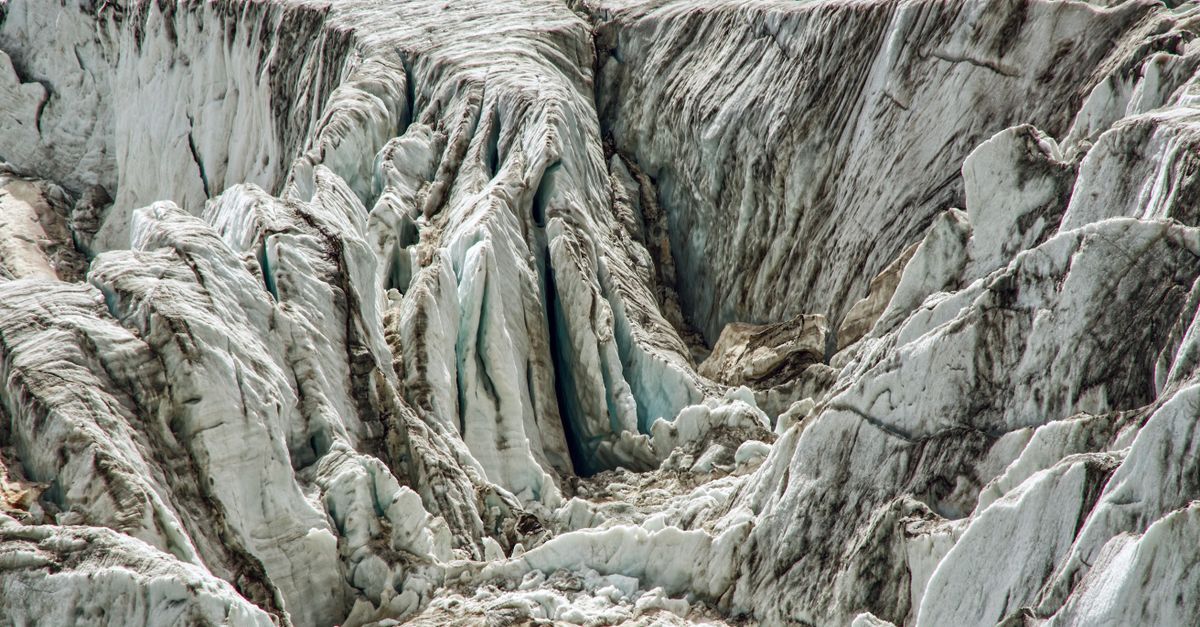
A biome's boundaries aren't fixed lines on a map — they're a reflection of climate, especially temperature and rainfall. As global temperatures rise, the conditions that define a biome shift too, and so do the species that depend on them. Scientists have been measuring this movement for decades, both in individual species' ranges and in broader ecosystem boundaries.
How fast are species actually moving?
One of the earliest large-scale studies, a 2003 meta-analysis by Camille Parmesan and Gary Yohe published in Nature, reviewed more than 1,700 species and found an average range shift of 6.1 km per decade toward the poles (with comparable upward shifts in elevation). A later analysis tied to the IPCC's Fifth Assessment Report (2014) found a notably faster average for terrestrial species: roughly 17 km per decade toward the poles and about 11 meters per decade upward in elevation — two to three times faster than earlier estimates, reflecting both improved data and accelerating change.
Marine species are moving even faster. The IPCC's Special Report on the Ocean and Cryosphere in a Changing Climate (2019) found that surface-dwelling marine species have shifted their ranges by roughly 52 km per decade toward the poles since the 1950s, with deeper, seafloor-associated species moving roughly 29 km per decade over the same period. Water conducts and redistributes heat more efficiently than air, and marine species often face fewer physical barriers to movement than land species do, which helps explain the faster pace.
Where shifting biomes are already visible
| Biome | Observed or documented change |
|---|---|
| Alpine | Treelines are shifting upslope as warming expands the range where trees can survive, compressing the alpine zone from below. |
| Tundra | Thawing permafrost is turning parts of the landscape into shallow lakes and shifting vegetation zones; roughly one million km² of western Siberian permafrost has been affected, per WWF. |
| Coral reef | Marine heat stress triggered bleaching across roughly 84% of global reef area between January 2023 and April 2025 — the most extensive bleaching event on record, per NOAA Coral Reef Watch. |
| Polar ice | Arctic summer sea ice has declined at roughly 6.9% per decade; the 2025 Arctic winter sea-ice maximum was the smallest in the 47-year satellite record, per NSIDC. |
Species that can't keep up
Not every species can shift its range fast enough to track a changing climate. Species with highly specific habitat requirements, limited mobility, or ranges already confined to small or isolated areas — alpine specialists, many polar species, and species on islands or mountaintops — often have nowhere left to go. The emperor penguin is a current example: in April 2026 the IUCN uplisted it to Endangered, citing the loss of the stable sea ice it depends on for breeding, with its global population projected to roughly halve by the 2080s under current trends.
How ecosystems respond, not just individual species
- Range shifts: populations move toward the poles or upslope as conditions warm.
- Phenology shifts: the timing of flowering, breeding, or migration changes to track shifting seasons.
- Community reshuffling: species that once coexisted may separate as they shift at different rates, creating new, previously unseen combinations of species.
- Biome boundary movement: over longer timescales, the underlying vegetation zones themselves — not just the animals in them — shift to track climate.
Common mistakes
- Assuming all species shift at the same rate. Mobile, generalist species often shift faster than specialists with narrow habitat needs.
- Assuming land and ocean shifts happen at similar speeds. Documented marine shifts are roughly three times faster than terrestrial ones in the IPCC's figures.
- Treating a single bleaching or thaw event as the whole story. These are data points within a longer-term, measured trend, not isolated incidents.
Frequently asked questions
How fast are species ranges shifting due to climate change?
A widely cited 2003 meta-analysis of over 1,700 species found an average poleward shift of 6.1 km per decade. A later analysis tied to the IPCC's Fifth Assessment Report found terrestrial species moving faster — an average of about 17 km per decade toward the poles and about 11 meters per decade upslope.
Are marine species shifting too?
Yes, and generally faster than land species. Per the IPCC's special report on the ocean and cryosphere, surface-dwelling marine species have moved roughly 52 km per decade toward the poles since the 1950s, and seafloor species have moved roughly 29 km per decade.
Can a whole biome move, not just individual species?
Yes. As temperature and precipitation patterns shift, the climate conditions that define a biome move with them — for example, alpine treelines rising and tundra vegetation zones shifting as permafrost thaws — gradually changing where a given biome's boundary sits.
Is every species shifting at the same rate?
No. Shift rates vary enormously by species, mobility, and habitat type, and some species — especially those with narrow ranges or limited dispersal ability, such as many alpine and polar specialists — can't shift fast enough to track changing conditions.
Sources
- Parmesan, C. & Yohe, G. (2003), "A globally coherent fingerprint of climate change impacts across natural systems," Nature, accessed November 4, 2026.
- IPCC Fifth Assessment Report (2014) — terrestrial species range-shift synthesis, accessed November 4, 2026.
- IPCC Special Report on the Ocean and Cryosphere in a Changing Climate (2019) — marine species range shifts, accessed November 4, 2026.
- NSIDC — Sea Ice Today, accessed November 4, 2026.
- NOAA Coral Reef Watch — global bleaching event data, accessed November 4, 2026.
- IUCN Red List — Aptenodytes forsteri (Emperor penguin), 2026 reassessment, accessed November 4, 2026.